



Mexico Grants Tariff Relief to Taiwan: 82 Product Categories Maintain Existing Rates or Face Reduced Increases
2025/12/24 | By CENS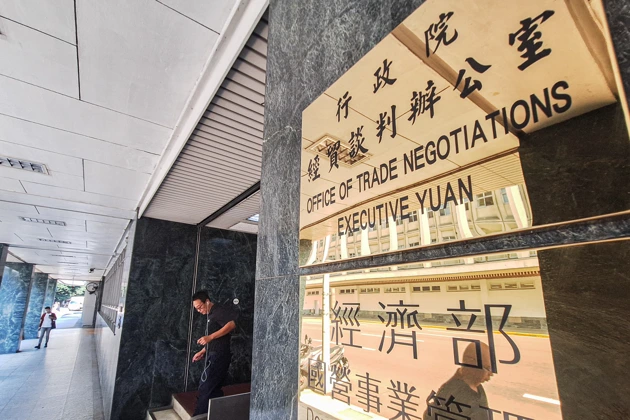
Mexico will begin raising tariffs next year on selected imports from countries without a free trade agreement (FTA). Taiwan's Office of Trade Negotiations (OTN) under the Executive Yuan announced yesterday (Dec. 23, 2025) that Taiwan has successfully secured Mexico's agreement to grant exemptions or reduced tariff increases on 82 out of 105 products, including automotive components, plastics, and steel products, significantly mitigating the potential impact.
Of the 82 approved items, 27 will be fully exempt from additional tariffs, while 55 will see reduced rate increases, following Mexico's approval.
Earlier, Mexico's Senate and Chamber of Deputies passed legislation to raise tariffs on 1,463 product categories imported from non-FTA countries, with increases ranging from 5% to 45%. The move drew attention given the presence of Taiwanese manufacturers with production bases in Mexico and active export exposure to the market.
The OTN previously noted that among the 1,463 product categories subject to tariff adjustments, imports from Taiwan totaled US$820 million last year and US$696 million as of September this year. Importantly, ICT products, including computer components, semiconductors, servers, graphics cards, and printed circuit boards, which account for approximately 70% of Taiwan's exports to Mexico, were not included in the tariff increase list, limiting the overall impact on Taiwan's exports.
The OTN (Office of Trade Negotiations) stated that since Mexico first signaled its intention to impose additional tariffs, Taiwan began raising concerns through multiple multilateral and bilateral channels starting in September. With support from Taiwan's Representative Office in Mexico, Taiwan submitted a list of 105 priority products for consideration. As a result, Mexico agreed to maintain existing tariff rates or reduce the planned increases for 82 items, helping to stabilize Taiwanese manufacturers' investment and operations in the Mexican market.
Among the 82 items, 27 products will retain current tariff rates and be exempt from additional duties. These include automotive components (21 items such as rearview mirrors), plastic products (three items), and steel products (three items).
The remaining 55 items will benefit from reduced tariff increases, including automotive components (16 items such as gearboxes), synthetic fibers, resins, PVC, and artificial leather (31 items), paperboard and labels (five items), cosmetics and cosmetic raw materials (two items), and motorcycles (one item).
The OTN added that since Mexico first proposed the tariff legislation in September, Taiwan's Representative Office in Mexico has closely monitored developments and actively engaged with Mexican administrative and legislative authorities. These efforts contributed to a favorable outcome.