



Taiwan’s Industrial Production Expands Record High of 16.7% Year-on-Year.
2026/01/26 | By Sherry Chen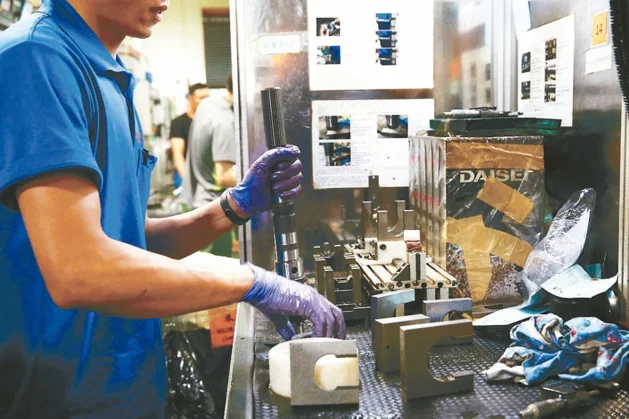
According to the Ministry of Economic Affairs (MOEA), Taiwan’s industrial production expanded to a new high in 2025, extending its growth for a second consecutive year. The full-year industrial production index rose to 112.16, up 16.7 percent from the previous year. Meanwhile, the manufacturing production index, which accounts for most of its share, also set a historical high.
Momentum remained strong into the year-end. In December, the industrial production index increased 21.6 percent year-on-year, with manufacturing production expansion up nearly 23 percent. This marks the 22nd straight month of expansion for both measures. MOEA attributed the gains primarily to sustained demand for artificial intelligence and high-performance computing.
The information and electronics sector led December’s growth. Output of electronic components rose 19.3 percent, extending a two-year expansion streak. Demand remained robust for 12-inch wafer foundry services, IC packaging and testing, IC design, and memory products. Production of computers, electronic products, and optical equipment surged 133 percent, reflecting strong orders for AI servers, communications equipment, and related components amid ongoing cloud and data center investment.
Among traditional industries, machinery and equipment posted steadier growth, with full-year output up 5.3 percent. The growth is supported by capacity expansion in semiconductor and electronics manufacturing. In contrast, basic metals and automotive production declined, weighed down by cautious demand and inventory adjustments.
Looking ahead, MOEA expects manufacturing output to moderate in January, but said expanding AI applications and pre-holiday inventory restocking should continue to underpin near-term production momentum.